Jiu Jitsu Gi Sizes
| Size | Weight | Height |
|---|---|---|
| A0 | 55-70kg | 155-165cm |
| A1 | 55-70kg | 155-165cm |
| A2 | 65-75kg | 160-170cm |
| A3 | 70-80kg | 165-175cm |
| A4 | 75-90kg | 170-180cm |
| A5 | 85-100kg | 175-185cm |
Men's BJJ Gi Size Guide
Complete sizing charts for men's Brazilian Jiu-Jitsu gi uniforms. Cut through inconsistent sizing with data-driven recommendations.
What is a Brazilian Jiu-Jitsu Gi?
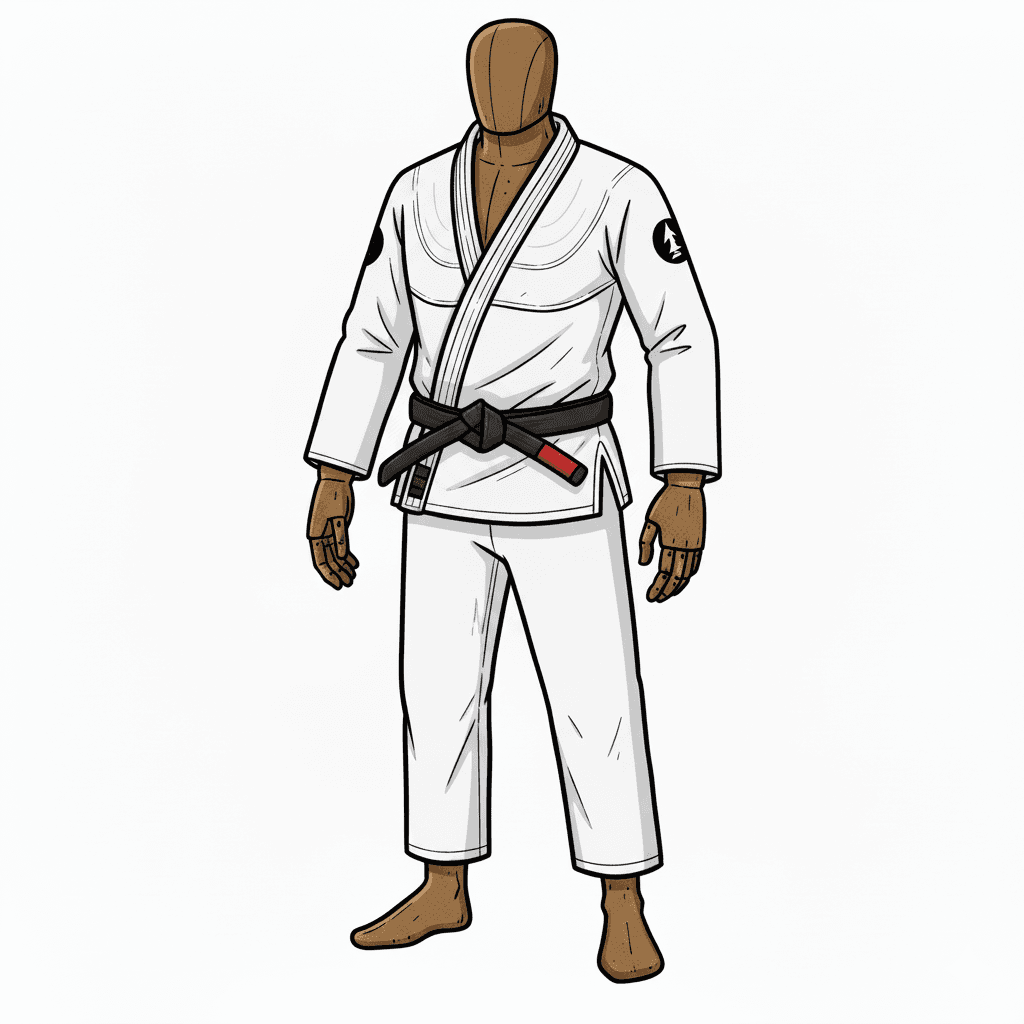
A Brazilian Jiu-Jitsu gi (also called a kimono) is the traditional uniform worn in gi-based BJJ training and competition.
The BJJ gi consists of three main components: a heavy cotton jacket, reinforced pants, and a belt that indicates rank. Unlike other martial arts uniforms, BJJ gis are designed to withstand the intense gripping, pulling, and friction that occurs during grappling.
The jacket features reinforced stitching at stress points like the collar, sleeves, and lapels where opponents grab during techniques. The pants are typically made from the same durable cotton material and include reinforced knees and a drawstring waist.
For men, gi sizing follows the A-size system (A0 through A6), with A2, A3, and A4 being the most common sizes. The fit should allow for full range of motion while being tight enough that opponents can't easily grab excess material. A properly fitted gi enhances your training experience and ensures compliance with competition rules.
Uniform Guide Information
Essential information about competition rules, care, and materials
Competition Rules
Uniform Requirements for Competition
Understanding competition rules ensures your uniform meets standards and prevents disqualification.
IBJJF Competition Rules
International Brazilian Jiu-Jitsu Federation Standards
IBJJF competitions have strict uniform requirements to ensure fairness and safety. Your gi jacket must reach at least halfway down your thighs when standing, with sleeves reaching the wrist bone when arms are extended forward. There must be 2-4 inches of space between the gi and your body when grabbing the lapel, and pants must reach the ankle bone. Only white, blue, or black gis are permitted in competition. Your belt must be tied correctly and match your rank. Patch regulations are limited, so check current IBJJF guidelines. The gi must be clean, in good condition, with no rips, tears, or excessive wear. Pre-competition inspections ensure compliance with these standards.
ADCC Competition Rules
Abu Dhabi Combat Club Standards
ADCC is primarily a no-gi competition, though some events may offer gi divisions. When gi divisions are available, ADCC generally follows IBJJF standards for uniform requirements. However, specific ADCC events may have variations, so always check the event's official rules before competing. The organization maintains high standards for uniform quality and fit to ensure competitive integrity.
Local Tournament Rules
Regional Competition Standards
Local tournaments may have different rules than major organizations. Always check specific tournament rules before competing, as patch allowances, color restrictions, and fit requirements can vary. Some local tournaments allow colored gis or have relaxed patch regulations. Fit requirements are usually similar to IBJJF standards, but contact tournament organizers directly for specific uniform requirements to avoid disqualification.
Washing & Care
Proper Maintenance for Your Uniform
Proper care extends your uniform's life and maintains hygiene.
Washing Instructions
Proper Cleaning Techniques
Start by checking all pockets and removing any items. Turn your gi or no-gi gear inside out to protect the outer fabric during washing. Use cold water (30°C or below) to prevent shrinkage, and select a mild detergent without bleach or fabric softener. Use the gentle or delicate cycle on your washing machine. For hand washing, use cold water with gentle agitation. On your first wash, consider pre-shrinking by washing in warm water if you want to minimize future shrinkage, though this is optional.
Drying Guidelines
Proper Drying Methods
Air drying is the preferred method for preserving your uniform's quality and preventing shrinkage. Hang your gi on a hanger or lay it flat to dry. Avoid direct sunlight to prevent color fading. If you must use a dryer, use low heat only and remove the uniform promptly when dry to prevent wrinkles. Hang by the shoulders, not the collar, to maintain the gi's shape and prevent stretching.
Essential Care Guidelines
Do's and Don'ts
Always wash your uniform after every training session for hygiene. Use cold water and turn items inside out before washing. Air dry when possible, check care labels, and wash separately, especially new gis. Never use bleach or fabric softener, as these can damage the fabric. Don't dry clean, iron (especially patches), leave wet gear in a bag, or use high heat. These practices will extend your uniform's life and maintain its quality.
Shrinkage Prevention
Maintaining Proper Fit
Most cotton gis shrink 3-5% after the first wash, which is why many practitioners buy slightly larger. Pre-shrink new gis with a warm wash before first use if you want to minimize future shrinkage. Always account for shrinkage when purchasing - consider buying slightly larger if you're between sizes. Cold water washing minimizes shrinkage. If your gi shrinks too much, some brands offer exchange programs, but prevention through proper sizing is key.
Stain Removal Guide
Treating Common Stains
For blood stains, rinse immediately with cold water, then apply hydrogen peroxide before washing. Sweat stains can be pre-treated with a white vinegar solution before normal washing. Mat marks require pre-treatment with stain remover and gentle scrubbing before washing. For general stains, treat immediately with cold water and avoid harsh chemicals. Always test stain removal methods on a small, inconspicuous area first.
Washing Frequency
How Often to Clean
Wash your uniform after every training session for hygiene and to prevent odors. Deep clean monthly with a vinegar solution to remove persistent odors and bacteria. Before competition, ensure your gi is freshly washed and pressed for a professional appearance. Never train in an unwashed uniform - it's unhygienic, disrespectful to training partners, and can lead to skin infections.
Gi Materials
Understanding Fabric Types
Understanding gi materials helps you choose the right uniform for your training style.
Cotton Gis
Traditional Material
Cotton is the traditional gi material, offering excellent breathability and comfort. Standard weight cotton is the most common choice for training gis. It provides a classic feel that many practitioners prefer. However, cotton gis can shrink significantly (typically 3-5% after first wash) and become heavier when wet. While less durable than specialized weaves, cotton gis are more affordable and ideal for beginners, regular training, and hot climates where breathability matters most.
Pearl Weave Gis
Lightweight Competition Choice
Pearl weave is a lightweight weave pattern that balances durability and breathability. This makes it popular for competition, where weight matters but strength is still required. Pearl weave gis are competition-approved and offer excellent performance in hot weather. They're ideal for frequent training and competition use, though they tend to be more expensive than standard cotton gis.
Gold Weave Gis
Maximum Durability
Gold weave is a heavier, more durable weave that provides excellent grip and longevity. The tighter weave pattern creates a stronger fabric that can withstand intense training. Advanced practitioners favor gold weave for its grip advantages and long-lasting quality. However, the heavier weight can make it hot in warm climates, and it's typically more expensive. Best for practitioners who rely heavily on gi grips and want maximum durability.
Ripstop Gis
Lightweight Travel Option
Ripstop is a very lightweight, quick-drying material that's durable and travel-friendly. It's perfect for practitioners who travel frequently or prefer lightweight gear. However, check competition rules carefully, as some organizations restrict or prohibit ripstop gis. The material has a different feel than traditional cotton and can be less breathable. Best for travel, quick-dry needs, and those who prioritize lightweight gear.
Hemp Gis
Eco-Friendly Option
Hemp is a natural, eco-friendly material that's durable and antimicrobial. It's growing in popularity among environmentally conscious practitioners who want sustainable gear. Hemp gis offer excellent durability and natural antimicrobial properties. However, they're more expensive and have limited availability. The material can be stiffer initially but softens with use. Best for eco-conscious practitioners seeking durable, sustainable gear.